

Discover the Kitchen Tool Everyone Is Raving About!
- • Precision Engineered: Sharp blade with durable craftsmanship.
- • Comfort First: Ergonomic design for effortless slicing.
- • Stylish & Strong: Elegant wood handle meets stainless steel strength.
- • Risk-Free Pick: Thousands of happy home chefs can’t be wrong.
- • Today’s Deal: Just $29.95 instead of $99.85 — limited-time offer!
This post may include affiliate links — learn more here .
Introduction
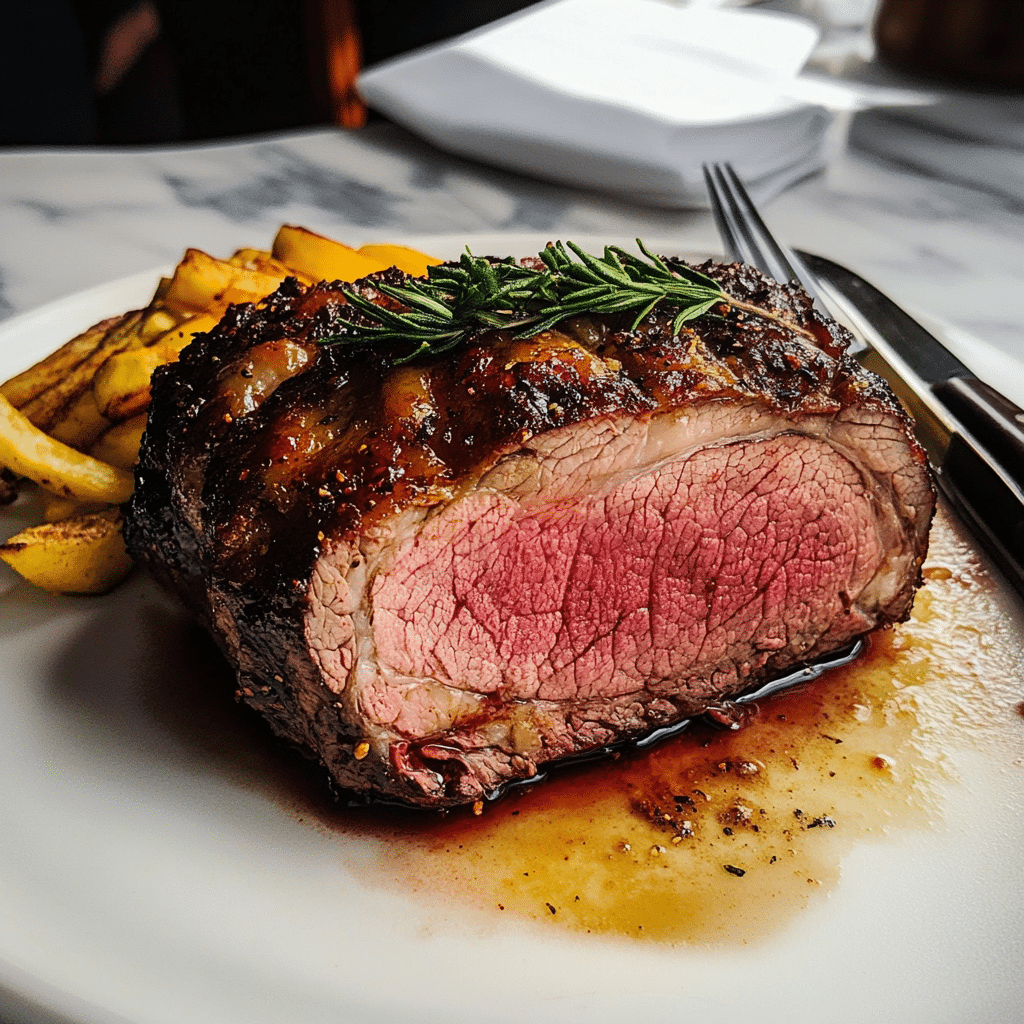
Prime rib is often considered the crown jewel of roasts, and for good reason. Its tender, juicy, and flavorful qualities make it a standout dish for any special occasion. Whether it’s a holiday dinner, a family celebration, or a weekend treat, a perfectly cooked prime rib will impress your guests and leave everyone satisfied. For those looking to enjoy a delicious prime rib while maintaining Halal dietary guidelines, this recipe provides a mouthwatering roast that’s free of pork, bacon, and wine—perfect for anyone following a Halal lifestyle.
In this article, we’ll explore why Prime Rib is a must-try dish, walk you through a step-by-step guide on how to prepare it, and share tips on seasoning, cooking, and carving the perfect prime rib roast. Whether you’re a seasoned cook or a first-time roaster, you’ll be able to master this recipe with ease.
Why You’ll Love This Recipe
- Tender and Juicy: Prime rib is known for its natural tenderness, and with the right cooking method, it stays juicy throughout.
- Full of Flavor: A generous seasoning rub with garlic, rosemary, and other herbs enhances the natural flavors of the beef.
- Perfect for Special Occasions: Prime rib is an impressive centerpiece for holidays, celebrations, or any occasion where you want to go all out.
- Halal-Friendly: This recipe is entirely Halal, ensuring that it meets the dietary restrictions of those who do not consume pork, bacon, or wine.
- Customizable: The seasoning and rub can be adjusted to suit your preferences—whether you prefer bold flavors or a more subtle seasoning.
Preparation Time and Servings
- Total Time: 4 hours (20 minutes for prep, 3 hours for roasting, and 40 minutes for resting)
- Servings: This recipe serves approximately 8-10 people, depending on the size of your roast and portion preferences.
- Nutrition Facts (per serving): Calories: 500, Protein: 50g, Carbs: 0g, Fat: 35g.
Ingredients
For the Prime Rib Roast:
- 1 (5-7 lb) bone-in prime rib roast: Choose a high-quality cut of prime rib, preferably from a butcher to ensure the best flavor and marbling.
- 2 tablespoons olive oil: Used to coat the roast before seasoning and roasting.
- 2 teaspoons kosher salt: Helps to enhance the natural flavors of the meat and create a beautiful crust.
- 1 teaspoon freshly ground black pepper: Adds a bit of spice to the roast.
- 2 tablespoons garlic powder: Provides a savory depth of flavor.
- 2 tablespoons fresh rosemary: Chopped finely. Rosemary’s earthy aroma pairs perfectly with beef.
- 2 tablespoons fresh thyme: Chopped finely. Thyme adds a subtle herbal note to the seasoning mix.
- 1 tablespoon Dijon mustard: Adds a slight tang to balance the rich flavor of the beef.
- 2 teaspoons smoked paprika: This brings a gentle smoky flavor to the roast without being overwhelming.
For the Optional Gravy (Halal):
- 2 cups beef broth (ensure it’s Halal certified): For making the gravy. Look for a beef broth that does not contain wine or non-Halal ingredients.
- 2 tablespoons unsalted butter: To thicken the gravy and add richness.
- 1 tablespoon all-purpose flour: To create a roux and help thicken the gravy.
- Salt and pepper to taste: Season the gravy according to your preferences.
Step-by-Step
 Preparation
FIRST STEP: PREPARE THE PRIME RIB ROAST
- Trim the Roast: Start by trimming any excess fat off the roast, but leave about 1/4-inch of fat for flavor and to create a delicious crust during roasting. If the roast is tied, you can leave it as is or remove the ties later after cooking.
- Bring the Roast to Room Temperature: Remove the prime rib roast from the fridge about 1 hour before cooking to allow it to come to room temperature. This ensures more even cooking and prevents the roast from becoming tough.
- Preheat the Oven: Preheat your oven to 450°F (232°C). This high heat will help sear the roast, creating a crispy, flavorful outer layer.
SECOND STEP: SEASON THE PRIME RIB
- Apply Olive Oil: Rub the roast with olive oil to create a base for the seasoning to stick to. This also helps the roast brown beautifully.
- Season the Roast: In a small bowl, combine kosher salt, black pepper, garlic powder, rosemary, thyme, Dijon mustard, and smoked paprika. Mix until well-combined.
- Rub the Seasoning: Generously coat the entire surface of the prime rib roast with the seasoning mixture. Make sure to press the seasoning into the meat for maximum flavor.
THIRD STEP: ROAST THE PRIME RIB
- Roast at High Heat: Place the roast in a roasting pan, bone-side down, fat-side up. This allows the fat to melt into the meat, enhancing its flavor. Roast in the preheated oven at 450°F (232°C) for 15 minutes to create a seared crust.
- Lower the Temperature: After 15 minutes, reduce the oven temperature to 325°F (163°C) and continue roasting for about 15-20 minutes per pound for a medium-rare roast. For a 5-7 lb roast, this will take approximately 2.5 to 3 hours. The internal temperature should reach 120-125°F (49-52°C) for medium-rare, 130°F (54°C) for medium, and 135°F (57°C) for medium-well.
- Use a Meat Thermometer: To ensure accurate cooking, use a meat thermometer to check the internal temperature of the roast. Insert the thermometer into the thickest part of the meat, away from the bone.
- Rest the Roast: Once the roast reaches your desired level of doneness, remove it from the oven and let it rest, uncovered, for 20-30 minutes. Resting the meat allows the juices to redistribute, ensuring a juicy and tender roast.
FOURTH STEP: MAKE THE GRAVY (OPTIONAL)
- Prepare the Roux: In a saucepan over medium heat, melt the butter. Add the flour and whisk constantly to form a smooth roux. Cook the roux for 2-3 minutes until it becomes slightly golden, but be careful not to let it brown.
- Add the Broth: Slowly pour in the beef broth while whisking constantly to prevent lumps from forming. Bring the mixture to a simmer and cook for 5-10 minutes, allowing the gravy to thicken.
- Season the Gravy: Taste the gravy and add salt and pepper to your liking. If you want a richer flavor, you can also add a bit of the juices from the resting roast.
FIFTH STEP: CARVE AND SERVE
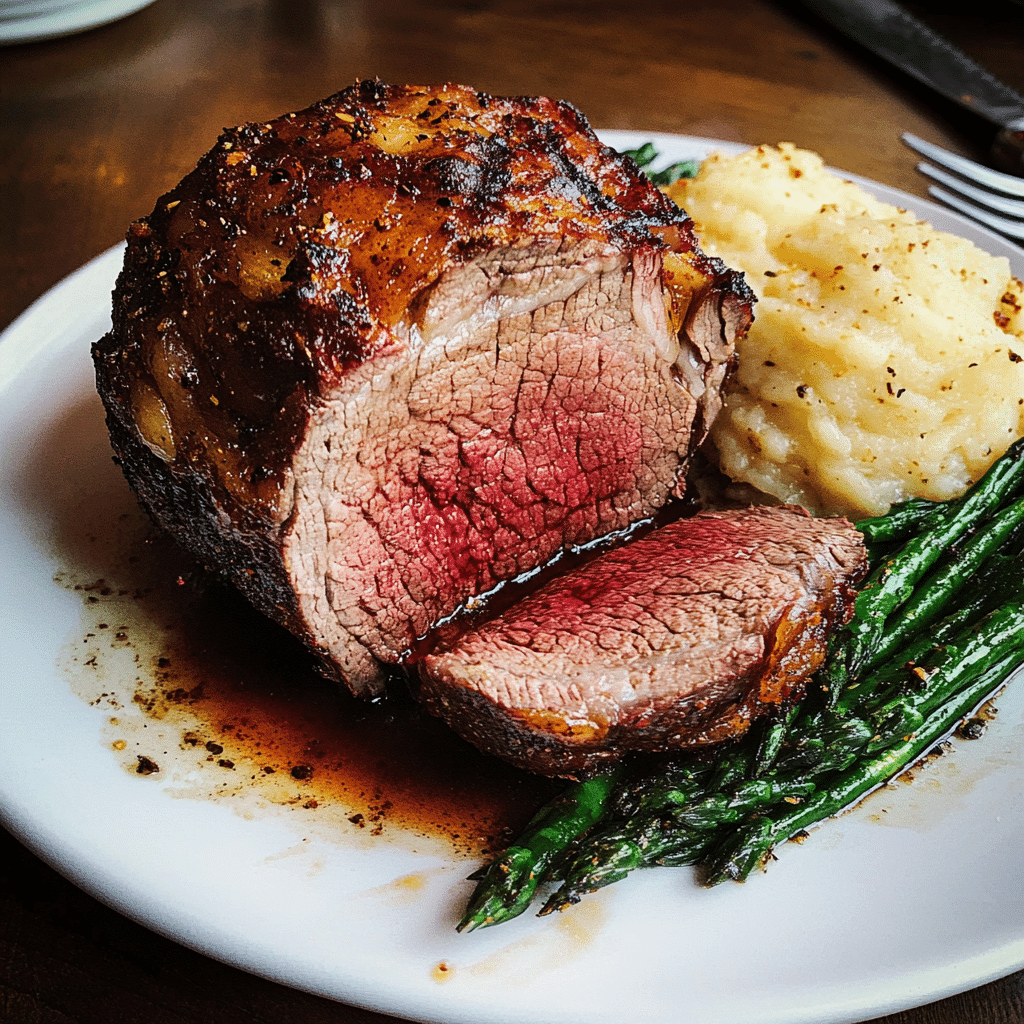
- Carve the Roast: Once the roast has rested, it’s time to carve. Use a sharp carving knife to slice the prime rib into 1-inch thick slices. Be sure to cut against the grain for the most tender bites.
- Serve with Gravy: Arrange the slices of prime rib on a platter and drizzle with the optional gravy. You can also serve the gravy on the side for guests to help themselves.
- Pair with Sides: Prime rib pairs beautifully with classic side dishes such as mashed potatoes, roasted vegetables, or a fresh salad. You can also serve it with rice pilaf or garlic buttered rolls for a more complete meal.
How to Serve Prime Rib
Prime rib is a luxurious dish that can elevate any meal. Here are some great ways to serve and enjoy your roast:
1. As the Star of a Holiday Feast
Prime rib is perfect for serving at holiday dinners, such as Christmas or Eid. Its grandeur and flavor will make your celebration memorable and provide guests with a filling and satisfying dish.
2. A Special Family Dinner
Enjoying a prime rib roast with family is a great way to bond and share a delicious meal. The richness of the beef is perfect for a Sunday dinner or a special occasion.
3. With Fresh, Light Sides
Since prime rib is rich and hearty, pairing it with light sides like steamed broccoli, a crisp salad, or roasted asparagus helps balance the meal.
4. Leftovers for Sandwiches or Stews
If you have leftovers, prime rib can be sliced thin and used for sandwiches or added to a hearty stew or soup. The leftover roast also makes an excellent filling for tacos, wraps, or even a savory breakfast hash.
Additional Tips
- Reverse Searing Method: For a more controlled roast, you can try the reverse searing method. Start by cooking the prime rib at a low temperature (250°F/121°C) until it reaches about 120°F (49°C) internal temperature, then finish it with a high-heat sear at 450°F (232°C) for 15 minutes.
- Resting Time: Do not skip the resting time after the roast comes out of the oven. It is crucial for ensuring that the juices stay inside the meat and don’t run out when sliced.
- Adjust Seasonings: Feel free to adjust the seasoning to your liking. If you love garlic, add more garlic powder or fresh minced garlic to the rub. You can also experiment with other herbs like oregano or basil.
- Gravy Consistency: If you prefer a thinner gravy, simply add more broth or water during the simmering process. If you like a thicker gravy, allow it to cook longer until it reaches your desired consistency.
Recipe Variations
1. Herb-Crusted Prime Rib
You can experiment with different herbs such as sage, tarragon, or parsley to create a unique flavor profile. Fresh herbs provide an aromatic element that pairs perfectly with beef.
2. Prime Rib with a Peppercorn Crust
For an added kick, consider using crushed black peppercorns to create a flavorful crust. This will give your roast a spicier edge without being overpowering.
3. Prime Rib with Garlic Butter
For extra richness, you can make a garlic butter topping. After roasting, melt butter with garlic and pour it over the slices of prime rib just before serving.
Freezing and Storage
Leftovers can be refrigerated for up to 3-4 days. Store them in an airtight container to preserve freshness. To reheat, gently warm slices of prime rib in the oven at 300°F (149°C) until heated through, or use the microwave for individual portions.
For longer storage, you can freeze prime rib. Wrap the slices tightly in plastic wrap and foil, then store in a freezer-safe bag or container. Prime rib can be frozen for up to 3 months. Reheat in the oven or microwave as needed.
Special Equipment
- Roasting Pan: A sturdy roasting pan is essential for roasting prime rib. It should be large enough to hold the roast comfortably without overcrowding.
- Meat Thermometer: An accurate meat thermometer is crucial for achieving the perfect level of doneness.
- Carving Knife: A sharp carving knife will help you slice the roast into clean, even pieces.
Frequently Asked Questions
- Can I use a boneless prime rib roast? Yes! A boneless roast is a great option and will cook faster. However, bone-in prime rib is often preferred for the added flavor the bone imparts to the meat.
- How do I make the prime rib spicier? You can add chili powder, cayenne pepper, or red pepper flakes to the seasoning mix for a bit of heat.
- Can I cook a prime rib roast ahead of time? It’s best to cook the roast fresh, but if needed, you can make the prime rib a day in advance and reheat it gently in the oven before serving.
- What side dishes go best with prime rib? Classic side dishes like mashed potatoes, roasted Brussels sprouts, and a Caesar salad are always great options. For a Mediterranean twist, try serving with couscous or tabbouleh.
Best Prime Rib
- Total Time: 4hours
Ingredients
For the Prime Rib Roast:
- 1 (5-7 lb) bone-in prime rib roast: Choose a high-quality cut of prime rib, preferably from a butcher to ensure the best flavor and marbling.
- 2 tablespoons olive oil: Used to coat the roast before seasoning and roasting.
- 2 teaspoons kosher salt: Helps to enhance the natural flavors of the meat and create a beautiful crust.
- 1 teaspoon freshly ground black pepper: Adds a bit of spice to the roast.
- 2 tablespoons garlic powder: Provides a savory depth of flavor.
- 2 tablespoons fresh rosemary: Chopped finely. Rosemary’s earthy aroma pairs perfectly with beef.
- 2 tablespoons fresh thyme: Chopped finely. Thyme adds a subtle herbal note to the seasoning mix.
- 1 tablespoon Dijon mustard: Adds a slight tang to balance the rich flavor of the beef.
- 2 teaspoons smoked paprika: This brings a gentle smoky flavor to the roast without being overwhelming.
For the Optional Gravy (Halal):
- 2 cups beef broth (ensure it’s Halal certified): For making the gravy. Look for a beef broth that does not contain wine or non-Halal ingredients.
- 2 tablespoons unsalted butter: To thicken the gravy and add richness.
- 1 tablespoon all-purpose flour: To create a roux and help thicken the gravy.
- Salt and pepper to taste: Season the gravy according to your preferences.
Instructions
FIRST STEP: PREPARE THE PRIME RIB ROAST
- Trim the Roast: Start by trimming any excess fat off the roast, but leave about 1/4-inch of fat for flavor and to create a delicious crust during roasting. If the roast is tied, you can leave it as is or remove the ties later after cooking.
- Bring the Roast to Room Temperature: Remove the prime rib roast from the fridge about 1 hour before cooking to allow it to come to room temperature. This ensures more even cooking and prevents the roast from becoming tough.
- Preheat the Oven: Preheat your oven to 450°F (232°C). This high heat will help sear the roast, creating a crispy, flavorful outer layer.
SECOND STEP: SEASON THE PRIME RIB
- Apply Olive Oil: Rub the roast with olive oil to create a base for the seasoning to stick to. This also helps the roast brown beautifully.
- Season the Roast: In a small bowl, combine kosher salt, black pepper, garlic powder, rosemary, thyme, Dijon mustard, and smoked paprika. Mix until well-combined.
- Rub the Seasoning: Generously coat the entire surface of the prime rib roast with the seasoning mixture. Make sure to press the seasoning into the meat for maximum flavor.
THIRD STEP: ROAST THE PRIME RIB
- Roast at High Heat: Place the roast in a roasting pan, bone-side down, fat-side up. This allows the fat to melt into the meat, enhancing its flavor. Roast in the preheated oven at 450°F (232°C) for 15 minutes to create a seared crust.
- Lower the Temperature: After 15 minutes, reduce the oven temperature to 325°F (163°C) and continue roasting for about 15-20 minutes per pound for a medium-rare roast. For a 5-7 lb roast, this will take approximately 2.5 to 3 hours. The internal temperature should reach 120-125°F (49-52°C) for medium-rare, 130°F (54°C) for medium, and 135°F (57°C) for medium-well.
- Use a Meat Thermometer: To ensure accurate cooking, use a meat thermometer to check the internal temperature of the roast. Insert the thermometer into the thickest part of the meat, away from the bone.
- Rest the Roast: Once the roast reaches your desired level of doneness, remove it from the oven and let it rest, uncovered, for 20-30 minutes. Resting the meat allows the juices to redistribute, ensuring a juicy and tender roast.
FOURTH STEP: MAKE THE GRAVY (OPTIONAL)
- Prepare the Roux: In a saucepan over medium heat, melt the butter. Add the flour and whisk constantly to form a smooth roux. Cook the roux for 2-3 minutes until it becomes slightly golden, but be careful not to let it brown.
- Add the Broth: Slowly pour in the beef broth while whisking constantly to prevent lumps from forming. Bring the mixture to a simmer and cook for 5-10 minutes, allowing the gravy to thicken.
- Season the Gravy: Taste the gravy and add salt and pepper to your liking. If you want a richer flavor, you can also add a bit of the juices from the resting roast.
FIFTH STEP: CARVE AND SERVE
- Carve the Roast: Once the roast has rested, it’s time to carve. Use a sharp carving knife to slice the prime rib into 1-inch thick slices. Be sure to cut against the grain for the most tender bites.
- Serve with Gravy: Arrange the slices of prime rib on a platter and drizzle with the optional gravy. You can also serve the gravy on the side for guests to help themselves.
- Pair with Sides: Prime rib pairs beautifully with classic side dishes such as mashed potatoes, roasted vegetables, or a fresh salad. You can also serve it with rice pilaf or garlic buttered rolls for a more complete meal.
- Prep Time: 20minutes
Nutrition
- Serving Size: 10
- Calories: 500
- Fat: 35g
- Carbohydrates: 0g
- Protein: 50g
Conclusion
A perfectly cooked prime rib is one of the most satisfying and impressive meals you can prepare. This Halal-friendly recipe ensures that you can enjoy this delicious roast without compromising dietary restrictions. With tender, juicy meat and a savory seasoning rub, this prime rib is the ideal centerpiece for any special occasion. Whether you’re serving it for a holiday meal or simply enjoying it with loved ones, you’ll find that prime rib is a dish that never goes out of style. Enjoy!