


Discover the Kitchen Tool Everyone Is Raving About!
- • Precision Engineered: Sharp blade with durable craftsmanship.
- • Comfort First: Ergonomic design for effortless slicing.
- • Stylish & Strong: Elegant wood handle meets stainless steel strength.
- • Risk-Free Pick: Thousands of happy home chefs can’t be wrong.
- • Today’s Deal: Just $29.95 instead of $99.85 — limited-time offer!
This post may include affiliate links — learn more here .
Introduction
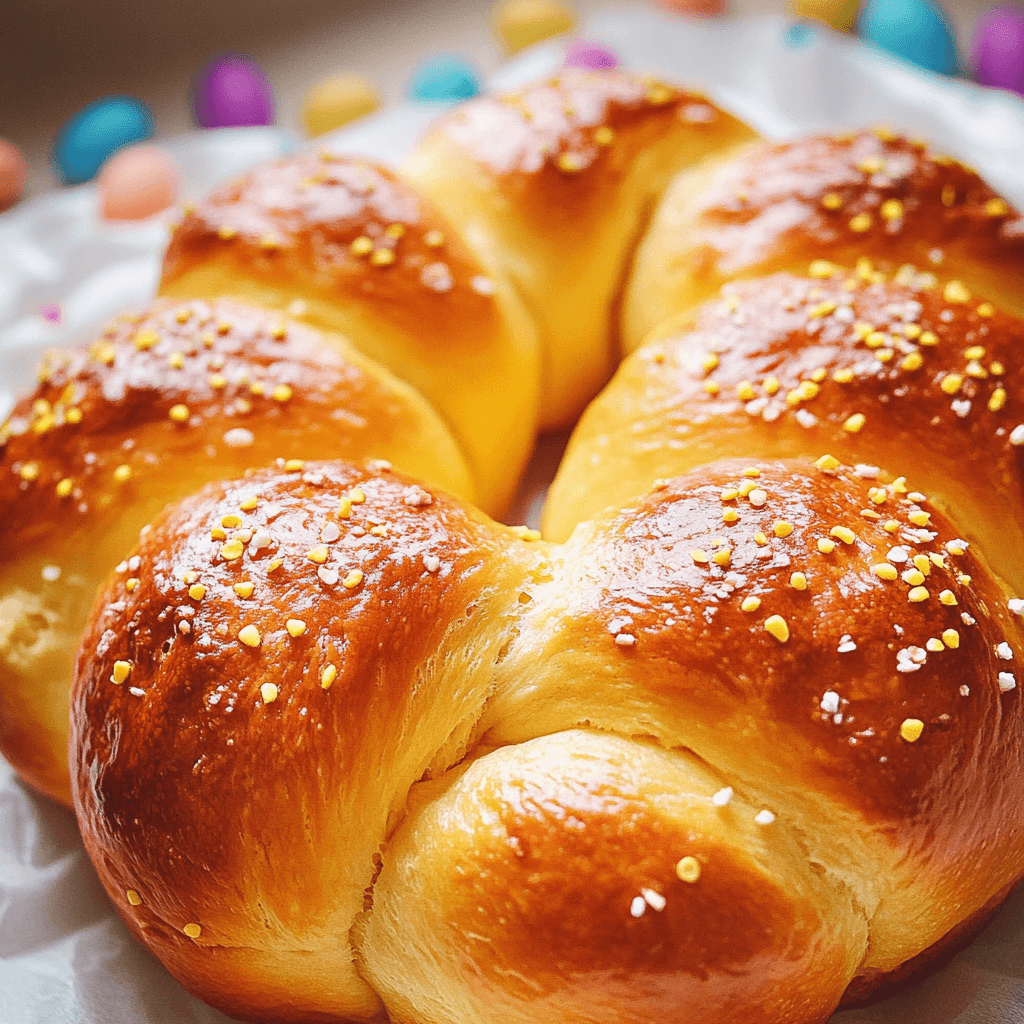
Easter Bread is a traditional and delicious bread that is commonly enjoyed during the Easter holiday season. It has a rich history and is often associated with celebrations, family gatherings, and festive meals. This bread is known for its sweet, slightly tangy flavor, soft texture, and beautiful braided shape. Whether you’re baking for a holiday celebration or simply want to indulge in a sweet and comforting homemade bread, Easter Bread is the perfect choice. It’s a wonderful way to bring joy to your table and share a meaningful tradition with loved ones.
Perfect for:
- Easter celebrations
- Family gatherings and meals
- Special holiday breakfasts or brunches
- Sharing with friends or neighbors
- A beautiful and delicious gift for loved ones
Why You’ll Love This Recipe Title
Here’s why Easter Bread will quickly become a favorite in your household:
- Soft and Fluffy Texture: Easter Bread has a soft, fluffy texture that’s perfect for tearing apart and enjoying with your favorite spread, whether it’s butter, jam, or cream cheese.
- Sweet and Aromatic Flavor: The subtle sweetness and the aroma of vanilla and citrus zest fill the air as it bakes, making it an irresistible treat.
- Fun to Make: The braiding technique used in this recipe adds a fun and creative element to baking. It’s a perfect activity for families and kids to enjoy together.
- Versatile: This Easter Bread can be enjoyed on its own or paired with a variety of spreads and toppings. It’s perfect as a breakfast item, dessert, or a snack during the day.
- Customizable: You can add a variety of ingredients like dried fruit, nuts, or even a simple glaze to make the bread even more special.
Preparation and Cooking Time
- Total Time: 4 hours (including rising time)
- Preparation Time: 30 minutes
- Baking Time: 35-40 minutes
- Servings: 8-10 slices
- Calories per serving: Approximately 250-300 calories
- Key Nutrients: Protein: 5g, Carbs: 45g, Fat: 8g
Ingredients
To make this soft and sweet Easter Bread, you will need the following ingredients:
- 3 ½ cups all-purpose flour
- ½ cup sugar
- 1 packet active dry yeast (about 2 ¼ teaspoons)
- 1 teaspoon salt
- 1 teaspoon vanilla extract
- 1 teaspoon lemon zest (optional for added flavor)
- ¾ cup warm milk (about 110°F/45°C)
- ¼ cup unsalted butter, melted
- 2 large eggs
- 1 egg yolk (for egg wash, optional)
- ½ cup dried fruit (raisins, currants, or candied citrus peel)
- ¼ cup slivered almonds or chopped walnuts (optional)
- 1 tablespoon sesame seeds or poppy seeds (optional for topping)
- 1-2 tablespoons water (for egg wash)
Ingredient Highlights
- All-Purpose Flour: The main structure of the bread is built with all-purpose flour, which gives the dough its soft and chewy texture.
- Sugar: A little sugar is added to give the bread a slight sweetness, making it perfect for breakfast or as a dessert.
- Yeast: The yeast provides the bread with a light, airy texture by helping the dough rise and creating its fluffy interior.
- Butter: Unsalted butter adds richness and moisture, creating a tender crumb in the bread.
- Dried Fruit: Adding dried fruit gives the bread a burst of sweetness, balancing the soft and slightly tangy flavor of the dough.
- Egg Yolk (for egg wash): The egg yolk is brushed onto the top of the bread before baking to give it a beautiful, glossy golden finish.
Step-by-Step

Follow these easy steps to make the perfect Easter Bread:
Prepare the Dough:
- Activate the Yeast: In a small bowl, combine the warm milk, 1 tablespoon of sugar, and active dry yeast. Stir gently and let the mixture sit for about 5-10 minutes until it becomes frothy. This means the yeast is active and ready to go.
- Mix the Dry Ingredients: In a large mixing bowl, combine the flour, the remaining sugar, and salt. Stir the ingredients together to evenly distribute the dry elements.
- Combine Wet Ingredients: In a separate bowl, whisk together the eggs, melted butter, and vanilla extract (and lemon zest, if using). Pour this mixture into the flour mixture along with the activated yeast mixture.
- Form the Dough: Stir the ingredients together using a wooden spoon or a spatula until a dough starts to form. Once the dough comes together, turn it out onto a lightly floured surface.
- Knead the Dough: Knead the dough for 8-10 minutes until it becomes smooth and elastic. If the dough is too sticky, add small amounts of flour, one tablespoon at a time, until it is manageable.
First Rise:
- Let the Dough Rise: Lightly grease a large bowl with butter or oil, and place the dough inside. Cover the bowl with a clean kitchen towel or plastic wrap and set it in a warm place to rise for 1-1.5 hours, or until the dough has doubled in size.
Shape the Bread:
- Add the Dried Fruit and Nuts: Once the dough has risen, gently punch it down to release the air. Turn it out onto a floured surface, and knead the dried fruit (raisins, currants, or candied citrus peel) and nuts (if using) into the dough until evenly distributed.
- Divide and Braid: Divide the dough into three equal portions. Roll each portion into a long rope, about 12-15 inches in length. Pinch the ends together and braid the ropes tightly. Transfer the braided dough onto a baking sheet lined with parchment paper, tucking the ends under to create a neat shape.
Second Rise:
- Allow the Bread to Rise Again: Cover the braided loaf with a towel and let it rise for another 30-45 minutes until it becomes puffed and light.
Bake the Easter Bread:
- Prepare the Egg Wash: In a small bowl, whisk together the egg yolk and 1-2 tablespoons of water. Brush the egg wash over the top of the risen dough to give it a golden, glossy finish.
- Bake: Preheat the oven to 350°F (175°C). Bake the bread for 35-40 minutes, or until the top is golden brown and the bread sounds hollow when tapped on the bottom. If the top is browning too quickly, cover it loosely with aluminum foil during the last 10 minutes of baking.
- Cool: Allow the Easter Bread to cool on a wire rack for at least 30 minutes before slicing.
Serve and Enjoy:
- Cut and Serve: Once the bread has cooled, slice it into thick pieces and serve. It’s perfect on its own or with butter, jam, or even a drizzle of honey.
How to Serve Recipe Title
Easter Bread can be served in various ways:
- As a Breakfast or Brunch Item: Enjoy it freshly baked with a warm cup of coffee or tea as part of a festive Easter breakfast.
- As a Dessert: Pair slices of Easter Bread with a dollop of whipped cream or vanilla ice cream for a sweet dessert.
- With Fruit: Serve alongside fresh berries or sliced citrus for a refreshing contrast to the rich sweetness of the bread.
- Gift-Giving: Wrap a loaf in decorative paper or a cloth for a thoughtful homemade gift that’s perfect for Easter celebrations.
Additional Tips for Recipe Title
Here are a few tips to ensure that your Easter Bread turns out perfect every time:
- Let the Dough Rise in a Warm Place: Yeast doughs need warmth to rise. If your kitchen is cold, consider placing the dough in an oven with just the light on to create a warm, draft-free environment.
- Don’t Rush the Rising Time: Make sure the dough has enough time to rise properly. Rushing this step can result in dense bread.
- Use Room Temperature Ingredients: Make sure your butter, eggs, and milk are at room temperature to allow the dough to come together more easily.
- Experiment with Add-Ins: Feel free to add your favorite mix-ins like dried apricots, chocolate chips, or cinnamon for unique variations on the traditional Easter Bread.
- Check for Doneness: To check if the bread is done, tap the bottom of the loaf. If it sounds hollow, it’s ready to come out of the oven.
Recipe Variations of Recipe Title
Here are 10 variations of Easter Bread that you can try:
- Cinnamon Swirl Easter Bread: Add a cinnamon-sugar swirl to the dough for a warm, spicy flavor.
- Coconut Easter Bread: Mix in shredded coconut for a tropical touch.
- Chocolate Chip Easter Bread: Add chocolate chips for a decadent, sweet twist.
- Orange Glazed Easter Bread: Drizzle a citrus glaze over the bread after baking for an extra layer of flavor.
- Nut-Free Easter Bread: Skip the nuts and use only dried fruit for a softer, nut-free option.
- Almond-Paste Easter Bread: Add almond paste to the center of the loaf for a rich, nutty filling.
- Blueberry Easter Bread: Incorporate fresh or dried blueberries into the dough for a fruity flavor.
- Apple Cinnamon Easter Bread: Add chopped apples and cinnamon to the dough for a fall-inspired version.
- Strawberry-Rhubarb Easter Bread: Combine fresh strawberries and rhubarb for a tangy, sweet variation.
- Zesty Lemon Easter Bread: Enhance the flavor with lemon juice and lemon zest for a citrusy kick.
Freezing and Storage for Recipe Title
- Freezing: Easter Bread can be frozen for up to 3 months. To freeze, wrap it tightly in plastic wrap and then place it in a freezer-safe bag. To thaw, let the bread come to room temperature or warm it up in the oven before serving.
- Storage: Store the bread in an airtight container at room temperature for up to 5 days. For longer storage, keep it in the fridge.
Special Equipment for Recipe Title
Here are some special equipment items that may be helpful:
- Mixing Bowls: For combining the ingredients.
- Measuring Cups and Spoons: To ensure accurate measurements for the ingredients.
- 9×13-inch Baking Sheet: A baking sheet for baking the bread.
- Wire Rack: For cooling the bread evenly.
- Baking Brush: For applying the egg wash to give the bread a golden finish.
- Parchment Paper: To line the baking sheet and prevent sticking.
FAQ Section about Recipe Title
- Can I use whole wheat flour?
Yes, you can use whole wheat flour in place of all-purpose flour, but the bread will have a denser texture. - Can I make Easter Bread without eggs?
Yes, you can replace the eggs with flaxseed meal or an egg substitute like aquafaba (chickpea water). - Can I use a bread machine for this recipe?
Yes, you can use a bread machine to mix and knead the dough, but make sure to shape and bake the bread manually to achieve the classic braided look. - Can I make this recipe without dairy?
Yes, use a dairy-free butter substitute and non-dairy milk (like almond or oat milk) to make this recipe dairy-free. - How can I make this recipe vegan?
Use vegan butter, non-dairy milk, and a flaxseed egg substitute to make this recipe fully vegan.

Easter Bread
- Total Time: 4hours
Ingredients
-
3 ½ cups all-purpose flour
-
½ cup sugar
-
1 packet active dry yeast (about 2 ¼ teaspoons)
-
1 teaspoon salt
-
1 teaspoon vanilla extract
-
1 teaspoon lemon zest (optional for added flavor)
-
¾ cup warm milk (about 110°F/45°C)
-
¼ cup unsalted butter, melted
-
2 large eggs
-
1 egg yolk (for egg wash, optional)
-
½ cup dried fruit (raisins, currants, or candied citrus peel)
-
¼ cup slivered almonds or chopped walnuts (optional)
-
1 tablespoon sesame seeds or poppy seeds (optional for topping)
-
1–2 tablespoons water (for egg wash)
Ingredient Highlights
-
All-Purpose Flour: The main structure of the bread is built with all-purpose flour, which gives the dough its soft and chewy texture.
-
Sugar: A little sugar is added to give the bread a slight sweetness, making it perfect for breakfast or as a dessert.
-
Yeast: The yeast provides the bread with a light, airy texture by helping the dough rise and creating its fluffy interior.
-
Butter: Unsalted butter adds richness and moisture, creating a tender crumb in the bread.
-
Dried Fruit: Adding dried fruit gives the bread a burst of sweetness, balancing the soft and slightly tangy flavor of the dough.
-
Egg Yolk (for egg wash): The egg yolk is brushed onto the top of the bread before baking to give it a beautiful, glossy golden finish.
Instructions
Prepare the Dough:
-
Activate the Yeast: In a small bowl, combine the warm milk, 1 tablespoon of sugar, and active dry yeast. Stir gently and let the mixture sit for about 5-10 minutes until it becomes frothy. This means the yeast is active and ready to go.
-
Mix the Dry Ingredients: In a large mixing bowl, combine the flour, the remaining sugar, and salt. Stir the ingredients together to evenly distribute the dry elements.
-
Combine Wet Ingredients: In a separate bowl, whisk together the eggs, melted butter, and vanilla extract (and lemon zest, if using). Pour this mixture into the flour mixture along with the activated yeast mixture.
-
Form the Dough: Stir the ingredients together using a wooden spoon or a spatula until a dough starts to form. Once the dough comes together, turn it out onto a lightly floured surface.
-
Knead the Dough: Knead the dough for 8-10 minutes until it becomes smooth and elastic. If the dough is too sticky, add small amounts of flour, one tablespoon at a time, until it is manageable.
First Rise:
-
Let the Dough Rise: Lightly grease a large bowl with butter or oil, and place the dough inside. Cover the bowl with a clean kitchen towel or plastic wrap and set it in a warm place to rise for 1-1.5 hours, or until the dough has doubled in size.
Shape the Bread:
-
Add the Dried Fruit and Nuts: Once the dough has risen, gently punch it down to release the air. Turn it out onto a floured surface, and knead the dried fruit (raisins, currants, or candied citrus peel) and nuts (if using) into the dough until evenly distributed.
-
Divide and Braid: Divide the dough into three equal portions. Roll each portion into a long rope, about 12-15 inches in length. Pinch the ends together and braid the ropes tightly. Transfer the braided dough onto a baking sheet lined with parchment paper, tucking the ends under to create a neat shape.
Second Rise:
-
Allow the Bread to Rise Again: Cover the braided loaf with a towel and let it rise for another 30-45 minutes until it becomes puffed and light.
Bake the Easter Bread:
-
Prepare the Egg Wash: In a small bowl, whisk together the egg yolk and 1-2 tablespoons of water. Brush the egg wash over the top of the risen dough to give it a golden, glossy finish.
-
Bake: Preheat the oven to 350°F (175°C). Bake the bread for 35-40 minutes, or until the top is golden brown and the bread sounds hollow when tapped on the bottom. If the top is browning too quickly, cover it loosely with aluminum foil during the last 10 minutes of baking.
-
Cool: Allow the Easter Bread to cool on a wire rack for at least 30 minutes before slicing.
Serve and Enjoy:
-
Cut and Serve: Once the bread has cooled, slice it into thick pieces and serve. It’s perfect on its own or with butter, jam, or even a drizzle of honey.
- Prep Time: 30minutes
Nutrition
- Serving Size: 10
- Calories: 300
- Fat: 8g
- Carbohydrates: 45g
- Protein: 5g
Conclusion of Recipe Title
Easter Bread is a sweet, soft, and festive bread that’s perfect for celebrating the holiday season. With its delicious flavor, rich history, and customizable options, it’s sure to become a family favorite. Whether you’re baking for a holiday gathering or simply indulging in a delicious homemade treat, Easter Bread is the perfect recipe to add to your baking repertoire.