
Discover the Kitchen Tool Everyone Is Raving About!
- • Precision Engineered: Sharp blade with durable craftsmanship.
- • Comfort First: Ergonomic design for effortless slicing.
- • Stylish & Strong: Elegant wood handle meets stainless steel strength.
- • Risk-Free Pick: Thousands of happy home chefs can’t be wrong.
- • Today’s Deal: Just $29.95 instead of $99.85 — limited-time offer!
This post may include affiliate links — learn more here .
Introduction
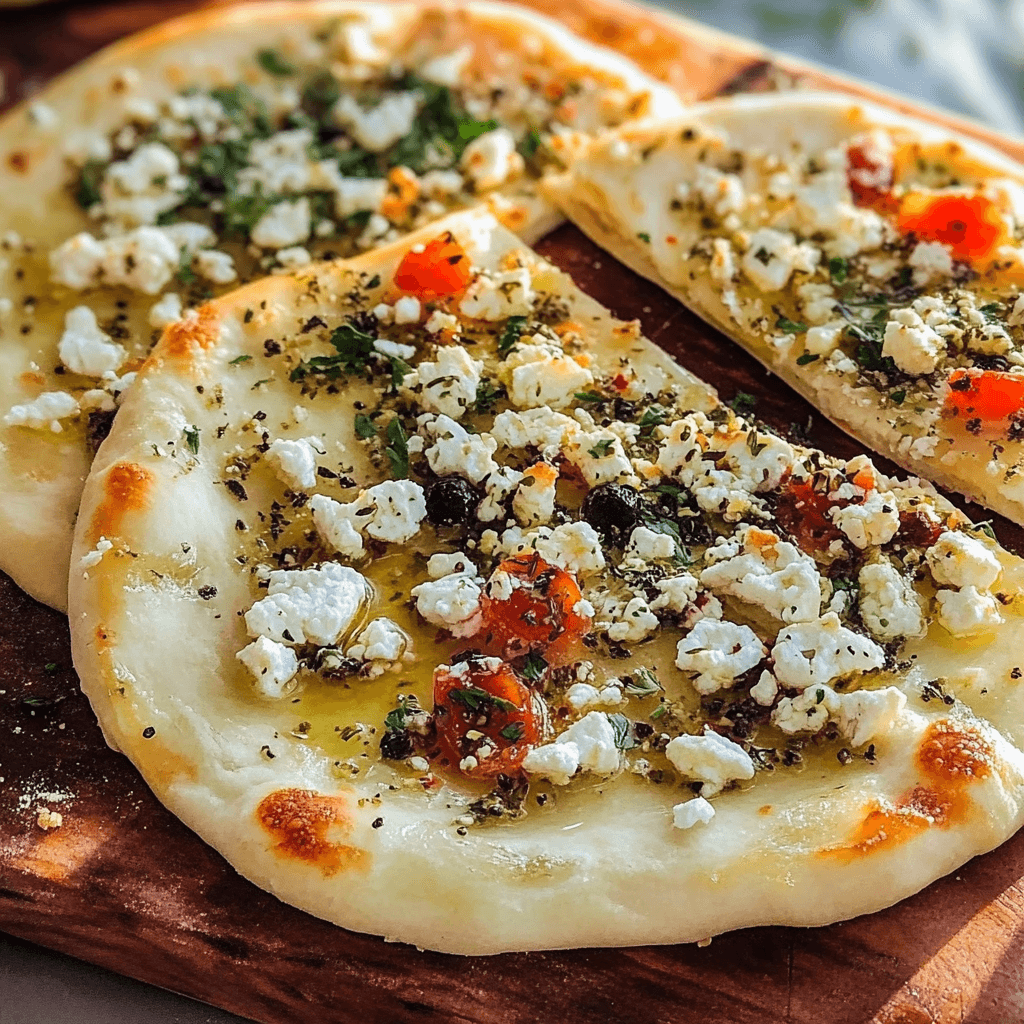
Greek Flatbreads are a warm, soft, and flavorful bread that serves as the perfect side dish for a variety of meals or as the main base for delicious toppings. These flatbreads are a traditional part of Greek cuisine and are known for their pillowy texture, golden color, and light, slightly chewy bite. Made with simple ingredients like flour, olive oil, and yeast, they are easy to prepare and versatile enough to pair with Mediterranean dips, grilled meats, and vegetables. Whether you’re hosting a Mediterranean-themed dinner, enjoying a casual lunch, or looking for a comforting snack, Greek Flatbreads are a fantastic choice. This Halal-friendly recipe is free from pork, bacon, wine, and alcohol, making it suitable for everyone to enjoy.
Perfect for:
- Family gatherings
- Mediterranean meals
- Appetizer platters
- Homemade pizzas
- Dipping in hummus or tzatziki
- Grilled meats or veggies
Why You’ll Love This Greek Flatbreads Recipe
Here’s why Greek Flatbreads will become a regular part of your cooking repertoire:
- Fluffy and Soft Texture: Greek Flatbreads have a wonderfully soft, fluffy, and slightly chewy texture, with just the right amount of crispiness on the outside.
- Versatile: These flatbreads are incredibly versatile. You can use them as a wrap, pita, or as a base for pizzas and appetizers.
- Quick and Easy: With just a few simple ingredients and minimal prep time, you can make fresh, warm flatbreads in under an hour.
- Customizable: You can customize the dough by adding herbs, garlic, or other spices to enhance the flavor, making it your own unique creation.
- Perfect for Sharing: Greek Flatbreads are great for sharing and work wonderfully in both casual and formal dining settings.
Preparation and Cooking Time
- Total Time: 50 minutes
- Preparation Time: 15 minutes
- Cooking Time: 35 minutes
- Servings: 6-8 flatbreads
- Calories per Serving: Approximately 120-150 calories per flatbread
- Key Nutrients: Protein: 4g, Carbs: 25g, Fat: 4g
Ingredients
To make these delicious Greek Flatbreads, you will need the following ingredients:
- 3 cups all-purpose flour (or whole wheat for a healthier alternative)
- 1 tablespoon olive oil (plus extra for brushing)
- 1 teaspoon sugar
- 1 teaspoon salt
- 1 teaspoon active dry yeast
- 1 cup warm water (approximately 110°F/43°C)
- 1 tablespoon dried oregano (optional)
- 1 tablespoon fresh chopped parsley (optional)
- Extra flour for dusting (for rolling the dough)
Ingredient Highlights
- Olive Oil: Olive oil is an essential ingredient in Greek flatbread recipes, adding richness, moisture, and a distinct Mediterranean flavor.
- Active Dry Yeast: Yeast helps the dough rise and gives the flatbread its light, airy texture.
- Flour: All-purpose flour is commonly used for this recipe, but whole wheat flour is a great alternative for a healthier version.
- Herbs: Greek cuisine often incorporates Mediterranean herbs like oregano and parsley, which add flavor and aroma to the bread.
Step-by-Step

Follow these simple steps to create soft and fluffy Greek Flatbreads:
1: Activate the Yeast
- Prepare the Yeast Mixture: In a small bowl, combine the warm water, sugar, and active dry yeast. Stir gently and let it sit for about 5-10 minutes until the yeast becomes frothy and bubbly. This indicates that the yeast is active and ready to use.
2: Mix the Dry Ingredients
- Combine the Flour and Salt: In a large mixing bowl, whisk together the flour and salt. If you’re using dried oregano or any other herbs, you can add them at this stage for extra flavor. If you’d like a more pronounced herb taste, feel free to add fresh chopped parsley or other herbs of your choice.
3: Add the Wet Ingredients
- Combine the Wet and Dry Ingredients: Create a well in the center of the flour mixture and pour in the yeast mixture along with the olive oil. Stir using a wooden spoon or spatula to combine all the ingredients. The dough will begin to form.
4: Knead the Dough
- Knead the Dough: Once the dough starts to come together, transfer it to a lightly floured surface and knead for 8-10 minutes. The dough should become smooth and elastic. If the dough is too sticky, sprinkle in a little more flour as needed. If it’s too dry, add a few drops of water to achieve the right consistency.
5: Let the Dough Rise
- Let the Dough Rest: Shape the dough into a ball and place it in a lightly oiled bowl, covering it with a clean kitchen towel or plastic wrap. Allow the dough to rise in a warm, draft-free area for about 30 minutes, or until it doubles in size.
6: Shape the Flatbreads
- Preheat the Pan: While the dough is rising, heat a cast-iron skillet or non-stick frying pan over medium heat. Lightly oil the pan or brush with a bit of olive oil.
- Divide and Roll the Dough: Once the dough has risen, punch it down gently to release any air bubbles. Divide the dough into 6-8 equal portions, depending on the size you prefer for your flatbreads. Roll each portion into a ball and then use a rolling pin to flatten them into circles or ovals, about 1/4-inch thick. Dust your surface lightly with flour to prevent sticking.
7: Cook the Flatbreads
- Cook the Flatbreads: Place the flattened dough onto the preheated skillet. Cook each flatbread for 2-3 minutes on each side or until they are golden brown and slightly puffed. You can lightly press down on the flatbread with a spatula to encourage it to puff up. If desired, brush the flatbread with a little extra olive oil as it cooks for extra flavor.
8: Serve and Enjoy
- Serve: Remove the flatbreads from the skillet and place them on a cooling rack or a plate lined with paper towels to absorb any excess oil. Serve warm with your favorite Mediterranean dips like hummus, tzatziki, or baba ganoush. Greek flatbreads are also great as a side with grilled meats or salads.

How to Serve Greek Flatbreads
Greek Flatbreads can be served in a variety of ways to complement any meal:
- As a Wrap: Use the flatbreads to wrap your favorite fillings such as grilled chicken, lamb, or vegetables. Add a dollop of tzatziki or hummus for extra flavor.
- With Dips: Serve the flatbreads with classic Mediterranean dips like hummus, baba ganoush, or tzatziki sauce for an appetizer or snack.
- As a Pizza Base: Top the flatbreads with your favorite pizza toppings for a quick and easy pizza night. Use ingredients like feta cheese, olives, tomatoes, and fresh herbs for a Mediterranean-inspired pizza.
- Alongside Grilled Meats: Pair the flatbreads with grilled meats like lamb, chicken, or beef skewers for a traditional Greek meal.
- For Breakfast: Serve the flatbreads with scrambled eggs, avocado, and a sprinkle of feta cheese for a Mediterranean-style breakfast.
Additional Tips for Greek Flatbreads
Here are a few tips to make your Greek Flatbreads even better:
- Let the Dough Rise: Be patient during the rising process. Allowing the dough to rise fully ensures the flatbreads will have a soft, fluffy texture.
- Adjust the Thickness: If you prefer thicker flatbreads, roll the dough slightly thicker before cooking. For thinner, crispier flatbreads, roll the dough thinner.
- Use Fresh Ingredients: Use high-quality olive oil for the best flavor and texture in the dough. Fresh herbs like oregano or parsley will also elevate the taste.
- Flavor Variations: Experiment with different herb combinations like thyme, rosemary, or basil to customize the flavor of your flatbreads.
- Keep the Heat Medium: If the pan is too hot, the flatbreads may burn before they cook through. Keep the heat at a medium level for even cooking.
Recipe Variations of Greek Flatbreads
Here are 10 variations of Greek Flatbreads you can try:
- Garlic Herb Flatbreads: Add minced garlic and a mixture of fresh herbs like rosemary and thyme to the dough for extra flavor.
- Whole Wheat Flatbreads: Swap the all-purpose flour with whole wheat flour for a healthier and more rustic version of Greek Flatbreads.
- Cheese-Stuffed Flatbreads: Stuff the flatbreads with a mixture of feta cheese and spinach before rolling them out and cooking.
- Sesame-Crusted Flatbreads: Brush the flatbread dough with olive oil and sprinkle sesame seeds on top before cooking for a nutty, crunchy texture.
- Olive and Oregano Flatbreads: Add chopped olives and dried oregano to the dough for a Mediterranean twist.
- Zaatar Flatbreads: Sprinkle the flatbreads with zaatar spice mix for an authentic Middle Eastern flavor.
- Spicy Flatbreads: Add a pinch of chili flakes or cayenne pepper to the dough for a spicy kick.
- Lemon and Rosemary Flatbreads: Mix fresh lemon zest and chopped rosemary into the dough for a fragrant, zesty flavor.
- Sun-Dried Tomato Flatbreads: Fold in chopped sun-dried tomatoes into the dough for a tangy and savory flatbread.
- Sweet Cinnamon Flatbreads: For a dessert twist, add cinnamon and a sprinkle of sugar to the dough, and serve with honey for a sweet treat.
Freezing and Storage for Greek Flatbreads
- Freezing: You can freeze Greek Flatbreads for up to 3 months. To freeze, place the cooked flatbreads in an airtight container or wrap them tightly in plastic wrap. When ready to eat, thaw them at room temperature or reheat them in the oven or on the stove.
- Storage: Store the flatbreads in an airtight container or zip-top bag at room temperature for up to 3 days. They’ll stay soft and fresh, perfect for a quick snack or meal.
Special Equipment for Greek Flatbreads
Here are a few items that may help you make Greek Flatbreads more easily:
- Cast-Iron Skillet: A cast-iron skillet gives a nice crispy exterior to the flatbreads, while keeping the inside soft and fluffy.
- Rolling Pin: A rolling pin helps you evenly flatten the dough to your desired thickness.
- Mixing Bowls: Use a large mixing bowl to combine the ingredients and knead the dough.
- Kitchen Towel: Cover the dough with a clean kitchen towel while it rises to keep it warm and draft-free.
- Baking Stone: If you have a baking stone, it can help create an even cooking surface for perfect flatbreads.
- Measuring Cups and Spoons: Accurate measurements are key to getting the right dough consistency.
FAQ Section about Greek Flatbreads
- Can I make Greek Flatbreads gluten-free? Yes, you can substitute the all-purpose flour with a gluten-free flour blend. However, the texture may vary slightly.
- Can I add yeast extract for extra flavor? While yeast extract can enhance the flavor, it is not traditional for Greek flatbreads. Stick with the basic yeast for the authentic taste.
- Can I cook the flatbreads in the oven instead? Yes, you can bake the flatbreads at 400°F (200°C) for 5-7 minutes or until golden brown. However, cooking them on a stovetop skillet adds extra texture.
- Can I make these flatbreads without yeast? You can make a no-yeast version by substituting baking powder for the yeast, but the texture and flavor will be different.
- Can I use the dough for pizza? Yes, you can use the same dough for pizza. Simply roll it out thicker, add your favorite toppings, and bake in the oven.
Greek Flatbreads
- Total Time: 50minutes
Ingredients
- 3 cups all-purpose flour (or whole wheat for a healthier alternative)
- 1 tablespoon olive oil (plus extra for brushing)
- 1 teaspoon sugar
- 1 teaspoon salt
- 1 teaspoon active dry yeast
- 1 cup warm water (approximately 110°F/43°C)
- 1 tablespoon dried oregano (optional)
- 1 tablespoon fresh chopped parsley (optional)
- Extra flour for dusting (for rolling the dough)
Ingredient Highlights
- Olive Oil: Olive oil is an essential ingredient in Greek flatbread recipes, adding richness, moisture, and a distinct Mediterranean flavor.
- Active Dry Yeast: Yeast helps the dough rise and gives the flatbread its light, airy texture.
- Flour: All-purpose flour is commonly used for this recipe, but whole wheat flour is a great alternative for a healthier version.
- Herbs: Greek cuisine often incorporates Mediterranean herbs like oregano and parsley, which add flavor and aroma to the bread.
Instructions
Step 1: Activate the Yeast
- Prepare the Yeast Mixture: In a small bowl, combine the warm water, sugar, and active dry yeast. Stir gently and let it sit for about 5-10 minutes until the yeast becomes frothy and bubbly. This indicates that the yeast is active and ready to use.
Step 2: Mix the Dry Ingredients
- Combine the Flour and Salt: In a large mixing bowl, whisk together the flour and salt. If you’re using dried oregano or any other herbs, you can add them at this stage for extra flavor. If you’d like a more pronounced herb taste, feel free to add fresh chopped parsley or other herbs of your choice.
Step 3: Add the Wet Ingredients
- Combine the Wet and Dry Ingredients: Create a well in the center of the flour mixture and pour in the yeast mixture along with the olive oil. Stir using a wooden spoon or spatula to combine all the ingredients. The dough will begin to form.
Step 4: Knead the Dough
- Knead the Dough: Once the dough starts to come together, transfer it to a lightly floured surface and knead for 8-10 minutes. The dough should become smooth and elastic. If the dough is too sticky, sprinkle in a little more flour as needed. If it’s too dry, add a few drops of water to achieve the right consistency.
Step 5: Let the Dough Rise
- Let the Dough Rest: Shape the dough into a ball and place it in a lightly oiled bowl, covering it with a clean kitchen towel or plastic wrap. Allow the dough to rise in a warm, draft-free area for about 30 minutes, or until it doubles in size.
Step 6: Shape the Flatbreads
- Preheat the Pan: While the dough is rising, heat a cast-iron skillet or non-stick frying pan over medium heat. Lightly oil the pan or brush with a bit of olive oil.
- Divide and Roll the Dough: Once the dough has risen, punch it down gently to release any air bubbles. Divide the dough into 6-8 equal portions, depending on the size you prefer for your flatbreads. Roll each portion into a ball and then use a rolling pin to flatten them into circles or ovals, about 1/4-inch thick. Dust your surface lightly with flour to prevent sticking.
Step 7: Cook the Flatbreads
- Cook the Flatbreads: Place the flattened dough onto the preheated skillet. Cook each flatbread for 2-3 minutes on each side or until they are golden brown and slightly puffed. You can lightly press down on the flatbread with a spatula to encourage it to puff up. If desired, brush the flatbread with a little extra olive oil as it cooks for extra flavor.
Step 8: Serve and Enjoy
- Serve: Remove the flatbreads from the skillet and place them on a cooling rack or a plate lined with paper towels to absorb any excess oil. Serve warm with your favorite Mediterranean dips like hummus, tzatziki, or baba ganoush. Greek flatbreads are also great as a side with grilled meats or salads.
- Prep Time: 15minutes
- Cook Time: 35minutes
Nutrition
- Serving Size: 8
- Calories: 150
- Fat: 4g
- Carbohydrates: 25g
- Protein: 4g
Conclusion
Greek Flatbreads are a delightful addition to any meal, offering a soft, warm, and flavorful experience that pairs perfectly with Mediterranean dishes. Easy to make, customizable, and versatile, this flatbread recipe will quickly become a staple in your kitchen. Whether you’re serving them with dips, using them as a wrap, or enjoying them with grilled meats, these flatbreads are sure to please everyone. Enjoy creating and sharing this traditional Greek treat with your friends and family!