
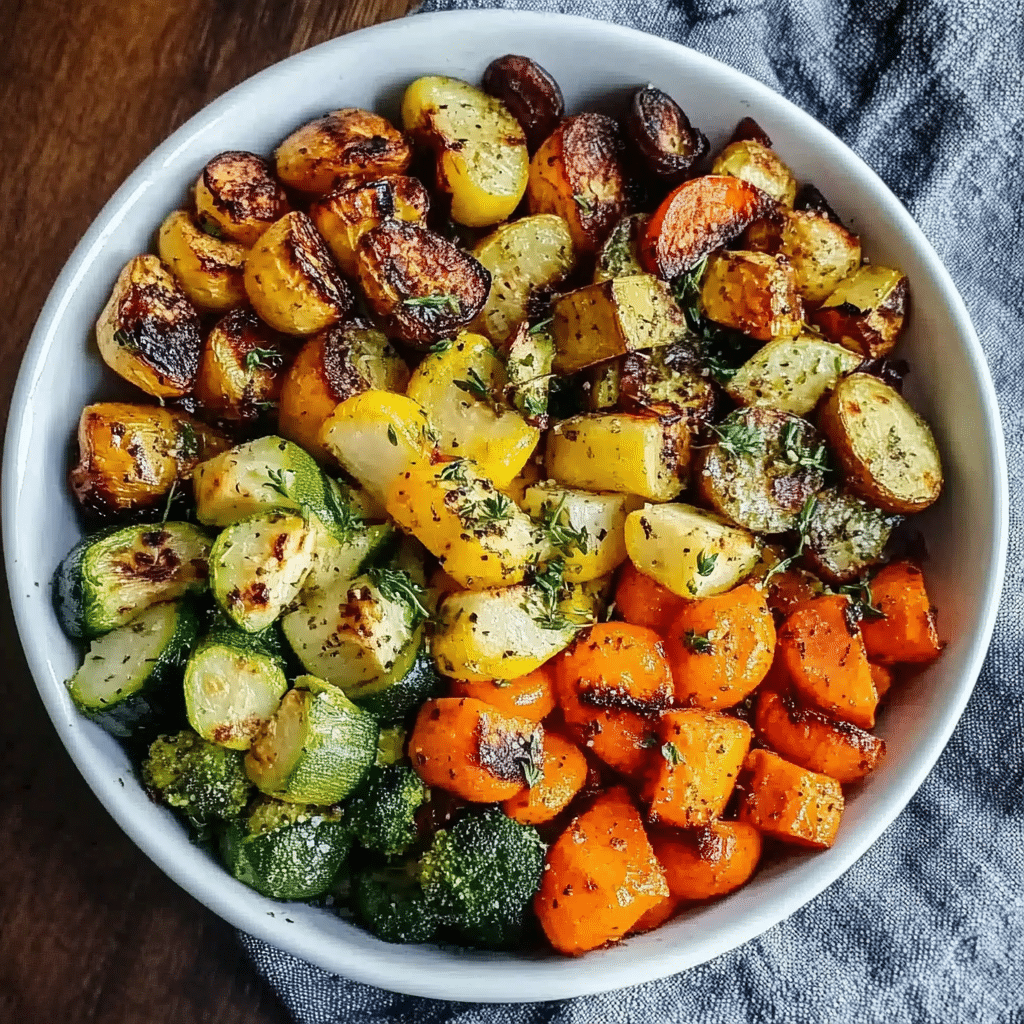

Discover the Kitchen Tool Everyone Is Raving About!
- • Precision Engineered: Sharp blade with durable craftsmanship.
- • Comfort First: Ergonomic design for effortless slicing.
- • Stylish & Strong: Elegant wood handle meets stainless steel strength.
- • Risk-Free Pick: Thousands of happy home chefs can’t be wrong.
- • Today’s Deal: Just $29.95 instead of $99.85 — limited-time offer!
This post may include affiliate links — learn more here .
Introduction
If you’re looking for a delicious and wholesome meal that is both satisfying and full of vibrant flavors, look no further than roasted vegetable bowls. These bowls feature an assortment of seasoned roasted vegetables, grains, and protein, all coming together to create a nourishing dish that is perfect for lunch or dinner. Roasted vegetables are rich in vitamins and minerals, while grains and protein add substance to the meal, making it well-rounded and filling. The best part is that you can customize your roasted vegetable bowl to suit your tastes and dietary preferences, making it an incredibly versatile dish.
In this article, we’ll explore why roasted vegetable bowls are a fantastic choice for a nutritious, delicious, and easy-to-make meal. We will guide you through the step-by-step process of preparing a roasted vegetable bowl, including tips and tricks for making the most of your vegetables and creating an exciting flavor profile. Whether you are a fan of plant-based meals or simply want to add more veggies to your diet, roasted vegetable bowls are a fantastic option for anyone looking for a healthy and satisfying meal.
Why You’ll Love This Recipe
- Customizable and Versatile: Roasted vegetable bowls are easy to personalize with your favorite vegetables, grains, proteins, and sauces, allowing you to create endless variations based on your preferences or what you have on hand.
- Nutritious and Balanced: Packed with fiber, vitamins, minerals, and healthy fats, these bowls provide essential nutrients for a well-rounded diet. With the addition of protein and grains, the dish becomes filling and satisfying.
- Simple and Easy to Make: Roasting vegetables requires minimal prep work and can be done in one baking sheet, making it an easy and convenient meal for busy weeknights or meal prep.
- Full of Flavor: Roasting vegetables brings out their natural sweetness and depth of flavor. Paired with a flavorful dressing or sauce, each bite is bursting with savory goodness.
- Halal-Friendly: This recipe is completely halal and free of pork, bacon, or wine, making it a great choice for those who follow halal dietary guidelines.
Preparation Time and Servings
- Total Time: 1 hour 15 minutes (15 minutes for prep, 1 hour for roasting)
- Servings: This recipe makes about 4 servings, but can easily be doubled or halved depending on your needs.
- Nutrition Facts (per serving):
- Calories: 350
- Protein: 12g
- Carbs: 50g
- Fat: 14g
Ingredients
Roasted Vegetables:
- 2 medium sweet potatoes: Peeled and cut into cubes. Sweet potatoes add a touch of sweetness and are high in fiber and vitamins.
- 1 head of cauliflower: Cut into florets. Cauliflower is low in calories and high in antioxidants.
- 1 red bell pepper: Sliced. Red bell peppers are rich in vitamin C and add a burst of color.
- 1 zucchini: Sliced. Zucchini is light and nutritious, providing a refreshing contrast to the roasted vegetables.
- 1 tablespoon olive oil: For roasting the vegetables. Olive oil adds healthy fats and helps to crisp the vegetables as they roast.
- 1 teaspoon ground cumin: For warmth and earthiness in the roasted vegetables.
- 1 teaspoon smoked paprika: Adds a smoky flavor to complement the sweetness of the vegetables.
- Salt and pepper to taste: To season the vegetables and bring out their natural flavors.
Grains:
- 1 cup cooked quinoa: Quinoa is a gluten-free grain that’s high in protein and fiber, making it a great choice for a nutritious base.
- 1 tablespoon olive oil: To drizzle over the quinoa for extra flavor.
Protein:
- 1 cup cooked chickpeas (or your preferred protein): Chickpeas are rich in plant-based protein and add texture and substance to the dish.
- 1 tablespoon olive oil: For sautéing the chickpeas or other protein of choice.
- 1 teaspoon ground turmeric: Adds color and flavor to the chickpeas.
- 1 teaspoon ground coriander: Complements the turmeric with a citrusy, slightly spicy taste.
- Salt and pepper to taste: To season the chickpeas or protein.
Dressing:
- 2 tablespoons tahini: A creamy sesame paste that adds richness to the dressing.
- 1 tablespoon lemon juice: Brightens the dressing and adds a tangy flavor.
- 1 tablespoon olive oil: Adds smoothness and richness to the dressing.
- 1 teaspoon maple syrup or honey: For a touch of sweetness to balance the savory flavors.
- Salt and pepper to taste: To season the dressing.
Garnishes (Optional):
- Fresh cilantro: Chopped, for a burst of freshness.
- Toasted sesame seeds: For added crunch and texture.
- Pomegranate seeds: For a sweet and tangy finish.
Step-by-Step
 Preparation
FIRST STEP: PREPARE THE VEGETABLES
- Preheat the Oven: Preheat your oven to 425°F (220°C). The high heat will help to caramelize the vegetables and bring out their natural sweetness.
- Prepare the Vegetables: Peel and cube the sweet potatoes, cut the cauliflower into florets, slice the red bell pepper and zucchini. Arrange the vegetables in a single layer on a large baking sheet. Drizzle with olive oil and sprinkle with ground cumin, smoked paprika, salt, and pepper. Toss everything together to ensure the vegetables are evenly coated with the seasonings.
- Roast the Vegetables: Roast the vegetables in the preheated oven for about 40-45 minutes, or until they are tender and slightly caramelized. Be sure to toss the vegetables halfway through the roasting time to ensure they cook evenly. Once done, remove from the oven and set aside.
SECOND STEP: COOK THE GRAINS
- Prepare the Quinoa: While the vegetables are roasting, cook the quinoa according to the package instructions. Typically, this involves rinsing the quinoa, then simmering it in water (1 cup quinoa to 2 cups water) for about 15 minutes, until the water is absorbed and the quinoa is tender.
- Flavor the Quinoa: Once cooked, fluff the quinoa with a fork and drizzle it with olive oil. Season with salt and pepper to taste. Set aside to keep warm.
THIRD STEP: SAUTE THE PROTEIN
- Cook the Chickpeas: Heat 1 tablespoon of olive oil in a large pan over medium heat. Add the cooked chickpeas to the pan and season them with ground turmeric, ground coriander, salt, and pepper. Sauté for about 5-7 minutes, stirring occasionally, until the chickpeas are crispy and golden brown. Set them aside.
FOURTH STEP: MAKE THE DRESSING
- Prepare the Dressing: In a small bowl, whisk together the tahini, lemon juice, olive oil, maple syrup (or honey), and a pinch of salt and pepper. If the dressing is too thick, you can thin it out with a small amount of water until it reaches your desired consistency.
FINAL STEP: ASSEMBLE THE BOWLS
- Layer the Base: Start by placing a generous scoop of quinoa in the bottom of each bowl. This will serve as the base for your roasted vegetables and protein.
- Add the Roasted Vegetables: Top the quinoa with the roasted sweet potatoes, cauliflower, bell pepper, and zucchini. Arrange the vegetables in an appealing way, allowing their vibrant colors to shine.
- Add the Protein: Spoon the sautéed chickpeas (or your chosen protein) on top of the vegetables. The chickpeas add a satisfying crunch and a boost of protein.
- Drizzle with Dressing: Drizzle the creamy tahini dressing over the top of the bowl. The dressing adds richness and a tangy balance to the roasted vegetables.
- Garnish and Serve: Garnish your roasted vegetable bowl with fresh cilantro, toasted sesame seeds, and pomegranate seeds. These garnishes add texture, color, and a burst of flavor.
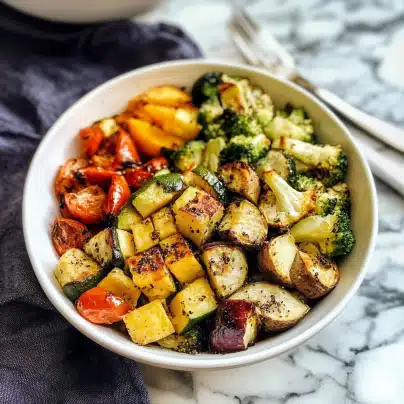
How to Serve Roasted Vegetable Bowls
Roasted vegetable bowls are a great option for a healthy, filling meal, and they can be served in a variety of ways. Here are some great serving ideas:
1. As a Quick Weeknight Meal
With minimal prep and cooking time, roasted vegetable bowls are perfect for busy weeknights when you need a nourishing meal that doesn’t take long to prepare. The versatility of the ingredients makes it easy to customize based on what you have in your pantry or fridge.
2. As Part of a Meal Prep
Roasted vegetable bowls are ideal for meal prepping. You can roast the vegetables and cook the quinoa and protein in advance, then store everything in airtight containers in the refrigerator for up to 4 days. When you’re ready to eat, simply assemble your bowls and drizzle with the dressing.
3. Serve with Flatbread or Pita
For an even heartier meal, serve your roasted vegetable bowl with warm flatbread or pita on the side. The bread can help soak up any extra dressing and adds a nice contrast to the roasted vegetables.
4. Perfect for a Meatless Meal
These bowls are a fantastic meatless meal option for vegetarians or those who are looking to reduce their meat consumption. The chickpeas provide plenty of plant-based protein, and the vegetables and grains make the meal filling and satisfying.
Recipe Variations
While this roasted vegetable bowl recipe is delicious as written, there are plenty of ways to customize it based on your preferences or dietary needs:
1. Add Different Vegetables
Feel free to experiment with different vegetables based on what’s in season or what you prefer. Try adding Brussels sprouts, butternut squash, beets, or eggplant for added variety.
2. Try Different Proteins
While chickpeas are a great protein choice, you can also use other plant-based proteins like lentils, tofu, or tempeh. For non-vegetarian options, grilled chicken, lamb, or beef would work well.
3. Add More Flavor with Spices
If you enjoy bold flavors, try adding additional spices to the vegetables or protein. Cumin, garlic powder, coriander, and cinnamon can all add depth to the dish. Feel free to adjust the seasonings to your taste.
4. Make it Gluten-Free
This recipe is naturally gluten-free as it uses quinoa and vegetables. However, if you are using store-bought sauces or dressings, be sure to check the labels to ensure they are also gluten-free.
Freezing and Storage
You can store leftover roasted vegetable bowls in an airtight container in the refrigerator for up to 3 days. If you’ve prepared extra quinoa or vegetables, these can be stored separately and reheated when ready to serve.
While the roasted vegetables and grains can be frozen, the tahini dressing may not retain its smooth consistency when thawed. For best results, store the dressing separately and add it fresh when serving.
Special Equipment
While no special equipment is necessary for making roasted vegetable bowls, the following kitchen tools will help streamline the process:
- Baking Sheet: A large baking sheet is essential for roasting the vegetables in a single layer.
- Pan: A non-stick skillet or pan for sautéing the chickpeas or other protein of choice.
- Mixing Bowls: To toss the vegetables with the seasonings and to prepare the dressing.
Frequently Asked Questions
- Can I use other grains instead of quinoa? Yes, you can substitute quinoa with rice, couscous, bulgur, or farro.
- Can I use canned chickpeas? Yes, canned chickpeas work perfectly. Just be sure to drain and rinse them before sautéing.
- Can I make this recipe ahead of time? Yes, you can prepare the vegetables, grains, and protein in advance. Store them in separate containers in the refrigerator and assemble the bowls when ready to serve.
- Can I add cheese to the bowls? Yes! You can add crumbled feta cheese or grated Parmesan for an extra layer of flavor.
Roasted Vegetable Bowls
- Total Time: 1hour 15minutes
Ingredients
For the Roasted Vegetables:
- 2 medium sweet potatoes: Peeled and cut into cubes. Sweet potatoes add a touch of sweetness and are high in fiber and vitamins.
- 1 head of cauliflower: Cut into florets. Cauliflower is low in calories and high in antioxidants.
- 1 red bell pepper: Sliced. Red bell peppers are rich in vitamin C and add a burst of color.
- 1 zucchini: Sliced. Zucchini is light and nutritious, providing a refreshing contrast to the roasted vegetables.
- 1 tablespoon olive oil: For roasting the vegetables. Olive oil adds healthy fats and helps to crisp the vegetables as they roast.
- 1 teaspoon ground cumin: For warmth and earthiness in the roasted vegetables.
- 1 teaspoon smoked paprika: Adds a smoky flavor to complement the sweetness of the vegetables.
- Salt and pepper to taste: To season the vegetables and bring out their natural flavors.
For the Grains:
- 1 cup cooked quinoa: Quinoa is a gluten-free grain that’s high in protein and fiber, making it a great choice for a nutritious base.
- 1 tablespoon olive oil: To drizzle over the quinoa for extra flavor.
For the Protein:
- 1 cup cooked chickpeas (or your preferred protein): Chickpeas are rich in plant-based protein and add texture and substance to the dish.
- 1 tablespoon olive oil: For sautéing the chickpeas or other protein of choice.
- 1 teaspoon ground turmeric: Adds color and flavor to the chickpeas.
- 1 teaspoon ground coriander: Complements the turmeric with a citrusy, slightly spicy taste.
- Salt and pepper to taste: To season the chickpeas or protein.
For the Dressing:
- 2 tablespoons tahini: A creamy sesame paste that adds richness to the dressing.
- 1 tablespoon lemon juice: Brightens the dressing and adds a tangy flavor.
- 1 tablespoon olive oil: Adds smoothness and richness to the dressing.
- 1 teaspoon maple syrup or honey: For a touch of sweetness to balance the savory flavors.
- Salt and pepper to taste: To season the dressing.
Garnishes (Optional):
- Fresh cilantro: Chopped, for a burst of freshness.
- Toasted sesame seeds: For added crunch and texture.
- Pomegranate seeds: For a sweet and tangy finish.
Instructions
FIRST STEP: PREPARE THE VEGETABLES
- Preheat the Oven: Preheat your oven to 425°F (220°C). The high heat will help to caramelize the vegetables and bring out their natural sweetness.
- Prepare the Vegetables: Peel and cube the sweet potatoes, cut the cauliflower into florets, slice the red bell pepper and zucchini. Arrange the vegetables in a single layer on a large baking sheet. Drizzle with olive oil and sprinkle with ground cumin, smoked paprika, salt, and pepper. Toss everything together to ensure the vegetables are evenly coated with the seasonings.
- Roast the Vegetables: Roast the vegetables in the preheated oven for about 40-45 minutes, or until they are tender and slightly caramelized. Be sure to toss the vegetables halfway through the roasting time to ensure they cook evenly. Once done, remove from the oven and set aside.
SECOND STEP: COOK THE GRAINS
- Prepare the Quinoa: While the vegetables are roasting, cook the quinoa according to the package instructions. Typically, this involves rinsing the quinoa, then simmering it in water (1 cup quinoa to 2 cups water) for about 15 minutes, until the water is absorbed and the quinoa is tender.
- Flavor the Quinoa: Once cooked, fluff the quinoa with a fork and drizzle it with olive oil. Season with salt and pepper to taste. Set aside to keep warm.
THIRD STEP: SAUTE THE PROTEIN
- Cook the Chickpeas: Heat 1 tablespoon of olive oil in a large pan over medium heat. Add the cooked chickpeas to the pan and season them with ground turmeric, ground coriander, salt, and pepper. Sauté for about 5-7 minutes, stirring occasionally, until the chickpeas are crispy and golden brown. Set them aside.
FOURTH STEP: MAKE THE DRESSING
- Prepare the Dressing: In a small bowl, whisk together the tahini, lemon juice, olive oil, maple syrup (or honey), and a pinch of salt and pepper. If the dressing is too thick, you can thin it out with a small amount of water until it reaches your desired consistency.
FINAL STEP: ASSEMBLE THE BOWLS
- Layer the Base: Start by placing a generous scoop of quinoa in the bottom of each bowl. This will serve as the base for your roasted vegetables and protein.
- Add the Roasted Vegetables: Top the quinoa with the roasted sweet potatoes, cauliflower, bell pepper, and zucchini. Arrange the vegetables in an appealing way, allowing their vibrant colors to shine.
- Add the Protein: Spoon the sautéed chickpeas (or your chosen protein) on top of the vegetables. The chickpeas add a satisfying crunch and a boost of protein.
- Drizzle with Dressing: Drizzle the creamy tahini dressing over the top of the bowl. The dressing adds richness and a tangy balance to the roasted vegetables.
- Garnish and Serve: Garnish your roasted vegetable bowl with fresh cilantro, toasted sesame seeds, and pomegranate seeds. These garnishes add texture, color, and a burst of flavor.
- Prep Time: 15minutes
Nutrition
- Serving Size: 4
- Calories: 350
- Fat: 14g
- Carbohydrates: 50g
- Protein: 12g
Conclusion
Roasted vegetable bowls are a versatile, healthy, and delicious meal that can be customized to suit your tastes. Whether you’re looking for a filling vegetarian option or want to add protein for a more substantial dish, roasted vegetable bowls provide endless possibilities. With a simple preparation process and a flavorful combination of ingredients, this dish is sure to become a favorite in your weekly meal rotation. Try it today and enjoy a nourishing, satisfying meal that’s bursting with flavor!